Quick Summary: Chronic sinusitis can severely affect daily life, causing constant nasal blockage, facial pain, headache, and difficulty breathing. When medications fail to provide relief, doctors may recommend a procedure to open the blocked sinuses. Many patients are confused about balloon sinuplasty vs sinus surgery and want to know which option is safer, faster, and more effective.
Modern ENT care offers both minimally invasive and traditional surgical treatments depending on the severity of the condition. Understanding the difference between these procedures, the balloon sinuplasty recovery time, possible sinus surgery risks, and the cost of balloon sinuplasty can help patients make the right treatment decision.
Experts at Dr. Rao’s ENT Super Specialty International Hospital provide advanced sinus treatments, including balloon sinuplasty and endoscopic sinus surgery, helping patients choose the most suitable option based on their symptoms and medical condition.
This blog explains how these procedures work, their benefits, risks, recovery time, and when you should consult an ENT specialist.
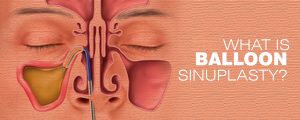
What Is Balloon Sinuplasty?
Balloon sinuplasty is a minimally invasive sinus procedure used to treat chronic sinusitis and blocked sinuses without removing bone or tissue. It is performed using a small balloon catheter that gently opens the sinus passage, allowing normal drainage.
During the procedure, the ENT surgeon inserts a thin tube with a small balloon at the tip into the blocked sinus. The balloon is then inflated to widen the sinus opening. Once the sinus is opened, the balloon is removed, and in most patients, the sinus remains clear for normal airflow, though some may need repeat treatment over time.
Balloon sinuplasty is usually recommended for patients who have:
- Chronic sinus pressure
- Recurrent sinus infections
- Nasal blockage not improving with medicine
- Headache due to sinusitis
- Mild to moderate sinus disease
Because this is a minimally invasive sinus procedure, there is less bleeding, less pain, and faster recovery compared to traditional sinus surgery.
Many patients prefer balloon sinuplasty because it can often be done as a day-care procedure without long hospital stay.
Benefits of Minimally Invasive Treatment
One of the biggest advantages of balloon sinuplasty is that it is designed to reduce discomfort and recovery time. Unlike traditional surgery, it does not involve cutting or removing tissue in most cases.
Key benefits include:
- Faster recovery
The balloon sinuplasty recovery time is usually short. Most patients return to normal activities within a few days.
- Less pain and bleeding
Since the sinus opening is widened using a balloon, there is minimal damage to surrounding tissue.
- No external cuts
The procedure is done through the nose using an endoscope, so there are no scars.
- Short hospital stay
Many patients go home the same day.
- Safe for repeated sinus infections
Balloon sinuplasty can help patients who frequently suffer from sinusitis.
- Suitable for selected patients
People with mild to moderate sinus blockage often benefit the most. Balloon sinuplasty costs more than medical treatment alone but offers long-term value through faster recovery. When compared to traditional sinus surgery, the costs are generally higher. The choice should be based on clinical need rather than cost alone.
ENT specialists at Dr. Rao’s ENT Super Specialty International Hospital use advanced endoscopic guidance to ensure precise and safe balloon sinuplasty procedures.

What Is Traditional Sinus Surgery?
Traditional sinus surgery, also called Functional Endoscopic Sinus Surgery (FESS), is itself a minimally invasive procedure that may be recommended when sinus disease is severe, involves polyps or structural abnormalities, or when balloon sinuplasty alone is not sufficient.
In this procedure, the surgeon removes blocked tissue, polyps, or bone to clear the sinus passages and restore normal drainage.
Traditional surgery is usually recommended for:
- Severe chronic sinusitis
- Nasal polyps
- Deviated septum with sinus blockage
- Fungal sinus infection
- Repeated sinus infections not improving with treatment
- Complicated sinus disease seen in CT scan
During surgery, the ENT surgeon uses an endoscope inserted through the nose to see the sinus cavities and remove the blockage. This allows the sinuses to drain properly and reduces infection.
Although it is more invasive than balloon sinuplasty, traditional sinus surgery is very effective for patients with advanced sinus problems.
Recovery and Risks Explained
Since traditional sinus surgery involves removal of tissue, recovery takes longer compared to balloon sinuplasty.
Common points about recovery include:
- Longer healing time
Patients may need 1-2 weeks to return to normal routine.
- Mild bleeding and swelling
Some bleeding and nasal congestion are normal after surgery.
- Nasal packing may be required
Doctors may place packing inside the nose to control bleeding.
- Follow-up visits needed
Regular cleaning of the nose may be required during healing.
Like any surgery, there are some sinus surgery risks, although serious complications are rare when performed by an experienced ENT surgeon.
Possible risks include:
- Bleeding
- Infection
- Scar formation
- Change in sense of smell (usually improvement, but rarely worsening)
- Recurrence of sinusitis
- Reaction to anesthesia
Rare but serious risks include cerebrospinal fluid leak and eye-related complications. Because the sinuses are close to the eyes and brain, surgery must always be done by a skilled ENT specialist.
At Dr. Rao’s ENT Super Specialty International Hospital advanced imaging and endoscopic technology help reduce sinus surgery risks and improve success rates.
Which Procedure Is Right for You?
Choosing between balloon sinuplasty vs sinus surgery depends on the severity of your sinus disease, medical history, and test results.
Balloon sinuplasty may be right if you have:
- Mild to moderate sinusitis
- Blocked sinus without large polyps
- Recurrent infections
- Need faster recovery
- No major structural problem in nose
Traditional sinus surgery may be needed if you have:
- Severe sinus disease
- Nasal polyps
- Deviated septum
- Fungal infection
- Long-term chronic sinusitis
- Sinus blockage seen in CT scan
Doctors usually perform nasal endoscopy and CT scan before deciding the best treatment.
It is important not to choose a procedure based only on cost or recovery time. Proper diagnosis ensures better long-term results.
The cost of balloon sinuplasty varies depending on hospital, technology used, and number of sinuses treated, while traditional surgery cost depends on complexity of the condition.
Discussing all options with an ENT specialist helps you understand the benefits and risks clearly.
When to Consult an ENT Surgeon
You should consult an ENT surgeon if you have symptoms of chronic sinusitis that do not improve with medicine.
Warning signs include:
- Sinus pressure lasting more than 3 months
- Frequent sinus infections
- Constant nasal blockage
- Headache due to sinusitis
- Thick nasal discharge
- Reduced smell
- Facial pain
- Difficulty breathing through nose
Early consultation can prevent complications and reduce the need for major surgery.
Specialists at Dr. Rao’s ENT Super Specialty International Hospital evaluate each patient carefully and recommend the most suitable treatment, whether it is medication, balloon sinuplasty, or traditional sinus surgery.
With modern technology and expert care, most sinus problems can be treated safely with long-lasting relief.
Conclusion
Understanding the difference between balloon sinuplasty vs sinus surgery helps patients make informed decisions about their treatment. Balloon sinuplasty is a safe and effective minimally invasive sinus procedure with short recovery time, while traditional sinus surgery is recommended for more severe or complicated cases.
Knowing the balloon sinuplasty recovery time, possible sinus surgery risks, and the cost of balloon sinuplasty allows you to choose the treatment that best fits your condition and lifestyle.
If you are suffering from chronic sinusitis, repeated infections, or long-term nasal blockage, do not ignore the symptoms.
Consult the experts at Dr. Rao’s ENT Super Specialty International Hospital for accurate diagnosis and advanced sinus treatment options that help you breathe freely and live comfortably again.