QUICK SUMMARY
Ear infections are one of the most common childhood health concerns. While many children outgrow occasional ear infections, some experience repeated infections or persistent fluid buildup in the middle ear that can affect hearing, speech development, and overall quality of life.
In such cases, doctors may recommend ear tubes, also known as grommets. Parents often wonder, “Does my child need ear tube surgery?” or “When is grommet surgery recommended for children?”
In this blog, we’ll explain what ear tubes are, the signs your child may need grommet surgery, the benefits of treatment, and what parents can expect before and after the procedure.
UNDERSTANDING EAR INFECTIONS IN CHILDREN
Children are particularly prone to ear infections because their Eustachian tubes—the small passages connecting the middle ear to the back of the nose—are shorter and narrower and more in horizontal configuration than those of adults.
When these tubes become blocked due to infections, allergies, or enlarged adenoids, fluid can accumulate behind the eardrum. This can lead to:
- Recurrent ear infections
- Hearing difficulties
- Ear pain or pressure
- Speech and language delays
- Balance problems
While many cases resolve with medication, some children continue to experience persistent problems that may require surgical intervention.
WHAT ARE EAR TUBES (GROMMETS)?
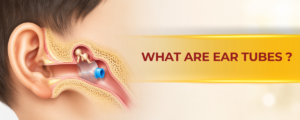
Ear tubes, commonly known as grommets, are tiny hollow tubes inserted into the eardrum during a minor surgical procedure called a myringotomy.
The tubes help:
- Ventilate the middle ear
- Drain trapped fluid
- Equalize pressure
- Reduce the frequency of ear infections
- Improve hearing
Parents researching ear tubes for recurrent ear infections in children are often surprised to learn that the procedure is one of the most commonly performed pediatric E.N.T. surgeries worldwide.
WHY MIGHT A CHILD NEED GROMMET SURGERY?
Most ear infections improve with medical treatment. However, surgery may be recommended when infections become frequent or fluid remains trapped behind the eardrum for extended periods.
The goal of grommet surgery for children with recurrent ear infections is to restore healthy ear function and prevent long-term complications.

SIGNS YOUR CHILD MAY NEED GROMMET SURGERY
- Frequent Ear Infections
One of the most common reasons for ear tube placement is recurrent ear infections.
Your E.N.T. specialist may consider surgery if your child experiences:
- Three or more ear infections within six months
- Four or more ear infections within one year
- Repeated infections despite appropriate treatment
If you’re wondering how many ear infections require ear tubes, these are common guidelines used by specialists.
- Persistent Fluid Behind the Eardrum
Sometimes fluid remains in the middle ear long after an infection has resolved.
This condition, known as Otitis Media with Effusion (OME) or “glue ear,” can persist for weeks or months.
Symptoms may include:
- Muffled hearing
- Difficulty understanding speech
- Reduced attention span
- A sensation of fullness in the ears
Persistent fluid is one of the most common indications for grommet surgery for glue ear in children.
- Hearing Difficulties
Young children may not realize they have hearing loss, making it important for parents to recognize subtle signs.
Watch for:
- Frequently asking “What?”
- Increasing television volume
- Not responding when called
- Difficulty following instructions
- Poor performance at school
When fluid affects hearing for an extended period, doctors may recommend ear tube surgery for hearing loss caused by middle ear fluid.
- Delayed Speech and Language Development
Hearing plays a critical role in language development.
Children with ongoing middle ear fluid may struggle to hear sounds clearly, potentially affecting:
- Speech development
- Pronunciation
- Vocabulary growth
- Learning abilities
Early treatment can help minimize these developmental challenges.
- Balance Problems
The ears contribute to balance as well as hearing.
Some children with chronic middle ear problems may experience:
- Frequent falls
- Clumsiness
- Poor coordination
- Dizziness
If balance issues occur alongside recurrent ear infections, further E.N.T. evaluation may be needed.
- Poor Sleep and Irritability
Children experiencing ear pressure or recurrent infections often have disrupted sleep.
Signs may include:
- Restless sleep
- Frequent night waking
- Increased irritability
- Difficulty concentrating during the day
Treating the underlying ear condition can often improve both sleep quality and behaviour.
HOW IS THE NEED FOR GROMMET SURGERY DIAGNOSED?
A comprehensive E.N.T. evaluation typically includes:
- Ear Examination
The doctor examines the eardrum for signs of fluid, infection, or pressure changes.
- Hearing Tests
Age-appropriate hearing assessments help determine whether hearing has been affected.
- Tympanometry
This test evaluates how well the eardrum moves and can identify fluid in the middle ear.
Parents often seek consultation with experienced pediatric E.N.T. specialists for ear tube surgery to determine whether grommets are necessary.
WHAT HAPPENS DURING GROMMET SURGERY?
Grommet insertion is a simple and commonly performed procedure.
The surgery typically involves:
- Administering general anaesthesia
- Creating a tiny opening in the eardrum
- Removing any trapped fluid
- Inserting a small ventilation tube
The procedure usually takes less than 20 minutes, and most children return home the same day.
BENEFITS OF EAR TUBES FOR CHILDREN
The benefits of ear tube surgery for recurrent ear infections in children may include:
- Fewer ear infections
- Improved hearing
- Better speech and language development
- Reduced need for antibiotics
- Better sleep quality
- Improved concentration and learning
Many parents notice significant improvements within weeks of the procedure.
WHAT TO EXPECT AFTER SURGERY
Recovery is generally quick.
Most children:
- Return to normal activities within 24 hours
- Experience minimal discomfort
- Notice improved hearing shortly after surgery
The tubes typically remain in place for 6 to 18 months and often fall out naturally as the eardrum heals.
Regular follow-up visits help ensure the ears remain healthy.
CAN EAR INFECTIONS BE PREVENTED?
While not all ear infections can be prevented, certain measures may reduce the risk:
- Avoid exposure to tobacco smoke
- Encourage good hand hygiene
- Keep vaccinations up to date
- Manage allergies appropriately
- Breastfeed infants when possible
- Seek early treatment for upper respiratory infections
These steps may help reduce the frequency of infections and improve overall ear health.
FREQUENTLY ASKED QUESTIONS
Are ear tubes safe for children?
Yes. Ear tube insertion is a commonly performed and generally safe procedure when recommended by an E.N.T. specialist.
At what age can a child receive ear tubes?
Children as young as six months may receive ear tubes if medically indicated.
Will my child need another set of tubes?
Some children require only one procedure, while others may need repeat tube placement depending on their condition.
Do ear tubes improve hearing?
In many cases, yes. If hearing loss is caused by middle ear fluid, ear tubes often provide significant improvement.
How long do Grommets stay in place?
Most tubes remain in place for several months before naturally falling out as the eardrum heals.
WHEN SHOULD YOU SEE AN E.N.T. SPECIALIST?
You should consider an E.N.T. evaluation if your child:
- Experiences frequent ear infections
- Has persistent fluid in the ears
- Shows signs of hearing difficulties
- Has delayed speech development
- Complains of recurring ear pain
- Has balance or coordination problems
Early diagnosis can help prevent complications and ensure healthy hearing development.
IN CONCLUSION
Recurring ear infections and persistent middle ear fluid can affect much more than your child’s ears. Left untreated, these problems may impact hearing, speech, learning, and overall development.
Understanding the signs that your child may need grommet surgery for recurrent ear infections can help you seek timely treatment and prevent long-term complications.
If you’re concerned about your child’s hearing, speech development, or repeated ear infections, consult our top E.N.T. specialists in Hyderabad. Early intervention can make a significant difference in your child’s hearing, communication, and quality of life.