QUICK SUMMARY
Nasal polyps are more than just harmless growths inside the nose – they are often a sign of chronic inflammation affecting the nasal passages and sinuses. While medications and surgery can effectively remove polyps and relieve symptoms, many people are surprised when they return months or even years later.
The good news is that recurrence doesn’t necessarily mean treatment has failed. It simply reflects the chronic nature of the condition. With advances in nasal polyps treatment, endoscopic sinus surgery, and long-term medical management, patients today have more effective options than ever before.
In this blog, we’ll explore why nasal polyps recur, who is most at risk, how they’re diagnosed, and how modern treatment approaches help patients breathe easier while reducing the chances of recurrence.
INTRODUCTION
Persistent nasal congestion, difficulty breathing through your nose, or a reduced sense of smell that keeps coming back may not always be due to a common cold or seasonal allergies. For many people, these symptoms are caused by nasal polyps – soft, non-cancerous growths that develop inside the nasal passages and sinuses as a result of chronic inflammation.
Although medications and surgery can successfully manage nasal polyps, recurrence is not uncommon. This can leave patients wondering whether the treatment was unsuccessful or whether something was overlooked. In reality, nasal polyps often recur because the underlying inflammation that caused them remains active even after treatment.
Fortunately, advances in diagnosis, minimally invasive surgery, and long-term medical management have transformed the way recurrent nasal polyps are treated. With the right combination of medical therapy, lifestyle modifications, and timely intervention, many patients experience lasting symptom relief and a significantly improved quality of life.

WHAT ARE NASAL POLYPS?
Nasal polyps are soft, painless, non-cancerous growths that develop on the lining of the nose or the paranasal sinuses due to persistent inflammation. Unlike tumors, they are benign, but as they enlarge, they can obstruct the nasal passages, block normal sinus drainage, and interfere with comfortable breathing.
Small nasal polyps may not cause noticeable symptoms. However, larger or multiple polyps can lead to persistent nasal congestion, facial pressure, recurrent sinus infections, a reduced sense of smell, and disturbed sleep.
They are most commonly associated with chronic rhinosinusitis with nasal polyps (CRSwNP) – a long-term inflammatory condition that often requires ongoing management rather than a one-time treatment.
WHO IS MORE LIKELY TO DEVELOP NASAL POLYPS?
While nasal polyps can affect anyone, certain individuals are more likely to develop them because of chronic inflammation within the nose and sinuses.
Your risk may be higher if you have:
- Chronic rhinosinusitis
- Asthma
- Allergic rhinitis (hay fever)
- Aspirin-Exacerbated Respiratory Disease (AERD)
- Cystic fibrosis
- Frequent sinus infections
- A family history of nasal polyps
Recognizing these risk factors and seeking timely evaluation from an experienced E.N.T. specialist can help detect the condition early, manage symptoms effectively, and reduce the risk of complications.

WHY DO NASAL POLYPS KEEP COMING BACK?
If you’ve had nasal polyps removed before, it can be frustrating when the same symptoms begin to return. Many patients wonder whether the surgery failed or if something was missed.
The reality is that surgery removes the polyps, but it does not eliminate the underlying inflammation responsible for their formation. Unless this inflammation is effectively managed, new polyps can gradually develop over time.
Several factors contribute to recurrence, including:
- Chronic rhinosinusitis, a long-term inflammatory condition that requires ongoing management rather than one-time treatment.
- Allergies, which can continuously irritate the nasal lining and trigger inflammation.
- Asthma, as both asthma and nasal polyps share similar inflammatory pathways and often occur together.
- Aspirin-Exacerbated Respiratory Disease (AERD) and certain immune-related conditions that increase susceptibility.
- Genetic predisposition, which may influence how the body responds to chronic inflammation.
Because these underlying conditions often persist even after treatment, managing them effectively is just as important as removing the polyps themselves. This is why E.N.T. specialists typically recommend a combination of medical therapy, lifestyle modifications, and regular follow-up to reduce the risk of recurrence.
HOW ARE RECURRENT NASAL POLYPS DIAGNOSED AND MANAGED?
If symptoms persist or return after treatment, your E.N.T. specialist may recommend a comprehensive evaluation to determine the extent of the condition and identify the most appropriate treatment plan.
This evaluation may include:
- Nasal Endoscopy: A thin, flexible endoscope is used to examine the nasal passages and sinus openings, helping identify polyps, blockages, and ongoing inflammation.
- CT Scan of the Sinuses: Provides detailed images of the sinus cavities to assess the severity of the disease and determine whether endoscopic sinus surgery may be beneficial.
- Allergy Testing: Identifies allergy triggers that may be contributing to chronic inflammation and recurrent polyp formation.
Once the underlying cause has been identified, treatment focuses on controlling inflammation, relieving symptoms, and reducing the risk of future recurrence. Your E.N.T. specialist may recommend:
- Regular use of prescribed nasal steroid sprays
- Saline nasal irrigation to keep the nasal passages clean
- Managing allergies and asthma effectively
- Avoiding environmental irritants such as smoke and air pollution
- Regular follow-up appointments to monitor sinus health
Although these measures help many patients manage their symptoms effectively, they may not always provide lasting relief. If nasal polyps continue to grow, symptoms persist despite medication, or breathing and quality of life are significantly affected, your E.N.T. specialist may recommend nasal polyps surgery, including Functional Endoscopic Sinus Surgery (FESS)
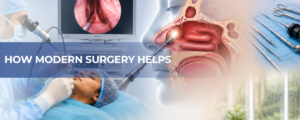
HOW MODERN SURGERY HELPS
When medications no longer provide lasting relief, surgery may be recommended to remove obstructing polyps and restore normal sinus function.
Today, Functional Endoscopic Sinus Surgery (FESS) is considered the preferred surgical approach for many patients with recurrent nasal polyps.
The procedure aims to:
- Remove obstructing nasal polyps
- Improve airflow through the nasal passages
- Restore normal sinus drainage
- Reduce the frequency of recurrent sinus infections
- Improve the effectiveness of medications after surgery
- Help restore the sense of smell, which often improves flavour perception and the enjoyment of food, while enhancing overall quality of life.
While surgery removes existing polyps, it works best when combined with ongoing medical management to control the underlying inflammation and reduce the likelihood of recurrence.
FREQUENTLY ASKED QUESTIONS
Can nasal polyps disappear without surgery?
Small nasal polyps may respond to medications such as corticosteroid nasal sprays or oral steroids. However, larger or recurrent polyps often require surgical treatment.
Do nasal polyps always come back after surgery?
Not necessarily. While recurrence is possible, regular follow-up, appropriate medications, and management of underlying inflammation can significantly reduce the risk.
Is FESS surgery painful?
Most patients experience mild discomfort rather than significant pain. As it is a minimally invasive procedure, recovery is generally faster compared to traditional sinus surgery.
When should I see an E.N.T. specialist?
If you have persistent nasal blockage, recurrent sinus infections, loss of smell, or symptoms that do not improve with medication, it is advisable to seek evaluation from an experienced E.N.T. specialist.
FINAL THOUGHTS
Living with recurrent nasal polyps can be frustrating, but today’s treatment options offer better long-term outcomes than ever before. Early diagnosis, appropriate medical therapy, regular follow-up, and timely surgical intervention when required can help control inflammation, reduce recurrence, and improve your quality of life.
If persistent nasal congestion, difficulty breathing, or repeated sinus infections continue to affect your daily routine, don’t ignore the symptoms. Consulting an experienced E.N.T. specialist can help identify the underlying cause and guide you toward the most appropriate treatment.
ADVANCED CARE FOR RECURRENT NASAL POLYPS AT DR. RAO’S ENT
Managing recurrent nasal polyps requires more than simply removing the growths – it requires addressing the underlying cause of chronic inflammation. At Dr. Rao’s ENT, Asia’s Largest E.N.T. Super Specialty Hospitals, our specialists provide comprehensive evaluation and personalized treatment plans tailored to each patient’s needs. Our goal is not only to remove nasal polyps but also to address the underlying causes to help minimize recurrence and support long-term sinus health.
From advanced diagnostic techniques and medical management to Functional Endoscopic Sinus Surgery (FESS) and long-term follow-up care, our team is committed to helping patients achieve lasting relief from chronic sinus conditions. By combining clinical expertise with minimally invasive surgical techniques, Dr. Rao’s ENT focuses on restoring comfortable breathing, improving sinus health, and helping patients enjoy a better quality of life.