Quick Summary: Sleep apnea is widely known for causing loud snoring, poor sleep quality, and daytime fatigue. However, what many people don’t realise is that this common sleep disorder may also impact your hearing health. The connection between sleep apnea and hearing loss is not always obvious, but growing medical evidence suggests that untreated sleep apnea can have far-reaching effects beyond sleep.
In this blog, we explore how this condition can affect your hearing, the science behind this hidden connection, warning signs to watch for, and the treatment options available.
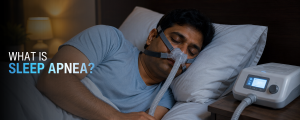
What Is Sleep Apnea?
Sleep apnea is a condition where breathing repeatedly stops and starts during sleep. These interruptions can last for a few seconds to several minutes and may occur multiple times throughout the night.
The most common type is Obstructive Sleep Apnea (OSA), which occurs when the muscles in the throat relax and block the airway. This leads to reduced oxygen levels in the body and disrupted sleep cycles.
Other types include:
- Central sleep apnea, where the brain fails to signal the breathing muscles properly
- Complex sleep apnea syndrome, a combination of both
Sleep apnea often goes undiagnosed because its symptoms occur during sleep, making awareness and early detection critical.
Understanding Hearing Loss
Hearing loss can occur due to various reasons, including ageing, exposure to loud noise, infections, and underlying medical conditions. It typically falls into three categories:
- Conductive hearing loss – caused by problems in the outer or middle ear
- Sensorineural hearing loss – caused by damage to the inner ear or auditory nerve
- Mixed hearing loss – a combination of both
The inner ear is particularly sensitive to oxygen supply and blood flow, making it vulnerable to systemic health issues like sleep apnea.
The Hidden Connection Between Sleep Apnea and Hearing
So, how exactly are sleep apnea and hearing loss connected?
1. Reduced Oxygen Supply (Hypoxia)
One of the primary effects of sleep apnea is repeated drops in oxygen levels during sleep, known as hypoxia. The delicate structures of the inner ear rely on a steady supply of oxygen to function properly.
When oxygen levels drop repeatedly, it can damage the hair cells in the inner ear, leading to sensorineural hearing loss over time.
2. Poor Blood Circulation
Sleep apnea can affect blood flow throughout the body, including the tiny blood vessels that supply the inner ear. Reduced circulation can impair the ear’s ability to receive nutrients and oxygen, increasing the risk of hearing damage.
3. Inflammation and Oxidative Stress
Chronic sleep apnea can trigger inflammation and oxidative stress in the body. These processes can damage tissues, including those in the auditory system, contributing to hearing problems.
4. Increased Risk of Cardiovascular Issues
Sleep apnea is closely linked to conditions such as high blood pressure and heart disease. These conditions can further compromise blood flow to the ears, indirectly affecting hearing.
Scientific Evidence Supporting the Link
Recent studies have found that individuals with sleep apnea are more likely to experience hearing loss, particularly at higher frequencies. Researchers believe that repeated oxygen deprivation and vascular changes play a key role in this association.
Although more research is needed, the evidence strongly suggests that the disorder is not just a sleep disorder, it’s a systemic condition that can affect multiple organs, including the ears.
Warning Signs to Watch For
If you have sleep apnea or suspect you might have it, it’s important to be aware of potential hearing-related symptoms.
Sleep Apnea Symptoms:
- Loud, persistent snoring
- Pauses in breathing during sleep
- Gasping or choking at night
- Excessive daytime sleepiness
- Morning headaches
- Difficulty concentrating
Hearing-Related Symptoms:
- Difficulty understanding speech
- Frequently asking others to repeat themselves
- Ringing in the ears (tinnitus)
- Trouble hearing high-pitched sounds
- Turning up the volume on devices frequently
If you experience a combination of these symptoms, it’s advisable to seek medical evaluation.
Who Is at Higher Risk?
Certain individuals may be more susceptible to both sleep apnea and hearing loss:
- People who are overweight or obese
- Smokers
- Individuals with high blood pressure or diabetes
- Older adults
- Those with a family history of sleep disorders
- People exposed to loud noise regularly
Understanding your risk factors can help in early detection and prevention.
How Is the Condition Diagnosed?
1. Sleep Study (Polysomnography)
A sleep study is the gold standard for diagnosing sleep apnea. It monitors breathing patterns, oxygen levels, heart rate, and brain activity during sleep.
2. Hearing Tests
Audiometry tests are used to assess hearing ability and detect any degree of hearing loss.
3. ENT Evaluation
An ENT specialist can examine both your airway and ear health to identify any underlying issues contributing to your symptoms.
Treatment Options
Treating sleep apnea not only improves sleep quality but may also help protect your hearing.
1. CPAP Therapy (Continuous Positive Airway Pressure)
This is the most common treatment for sleep apnea. It keeps the airway open during sleep by delivering a steady stream of air through a mask.
2. Lifestyle Modifications
- Weight loss
- Regular exercise
- Avoiding alcohol and smoking
- Maintaining a consistent sleep schedule
3. Oral Appliances
Custom devices that reposition the jaw to keep the airway open.
4. Surgical Options
In cases where structural abnormalities are present, surgery may be recommended to remove obstructions in the airway.
5. Hearing Management
If hearing loss is detected, treatments may include hearing aids or other auditory rehabilitation methods.
Can Treating Sleep Apnea Improve Hearing?
While treatment may not fully reverse hearing loss, it can help prevent further damage. Managing sleep apnea helps maintain oxygen levels and improve circulation, supporting overall ear health.
Early intervention is key. The sooner this disorder is treated, the lower the risk of long-term complications, including hearing impairment.
Preventive Tips for Better Sleep and Hearing Health
- Maintain a healthy weight
- Protect your ears from loud noise
- Manage chronic conditions like hypertension and diabetes
- Get regular health check-ups
- Avoid smoking and excessive alcohol consumption
- Seek early treatment for sleep-related issues
When Should You See an ENT Specialist?
You should consult an ENT specialist if you:
- Experience persistent snoring or sleep disturbances
- Notice changes in your hearing
- Have ringing in the ears
- Feel constant fatigue despite adequate sleep
- Have risk factors for sleep apnea
A comprehensive evaluation can help identify the root cause and guide appropriate treatment.
Final Thoughts
The connection between sleep apnea and hearing loss may not be widely known, but it is an essential aspect of overall health that should not be ignored. The condition is more than just a nighttime breathing issue—it can have lasting effects on multiple systems in the body, including your hearing.
By recognising the warning signs and seeking timely medical care, you can protect both your sleep and your hearing health. If you suspect sleep apnea or are experiencing hearing difficulties, don’t delay in getting evaluated.
Prioritising your health today can prevent complications tomorrow. Better sleep leads to better hearing and a better quality of life.