Introduction
Many people experience throat discomfort without realizing its connection to acid reflux. At Dr. Rao’s ENT Hospitals, we often see patients who are surprised to learn that their persistent throat issues stem from this digestive problem. This article explores the link between acid reflux and throat symptoms, helping you understand when to seek professional help.
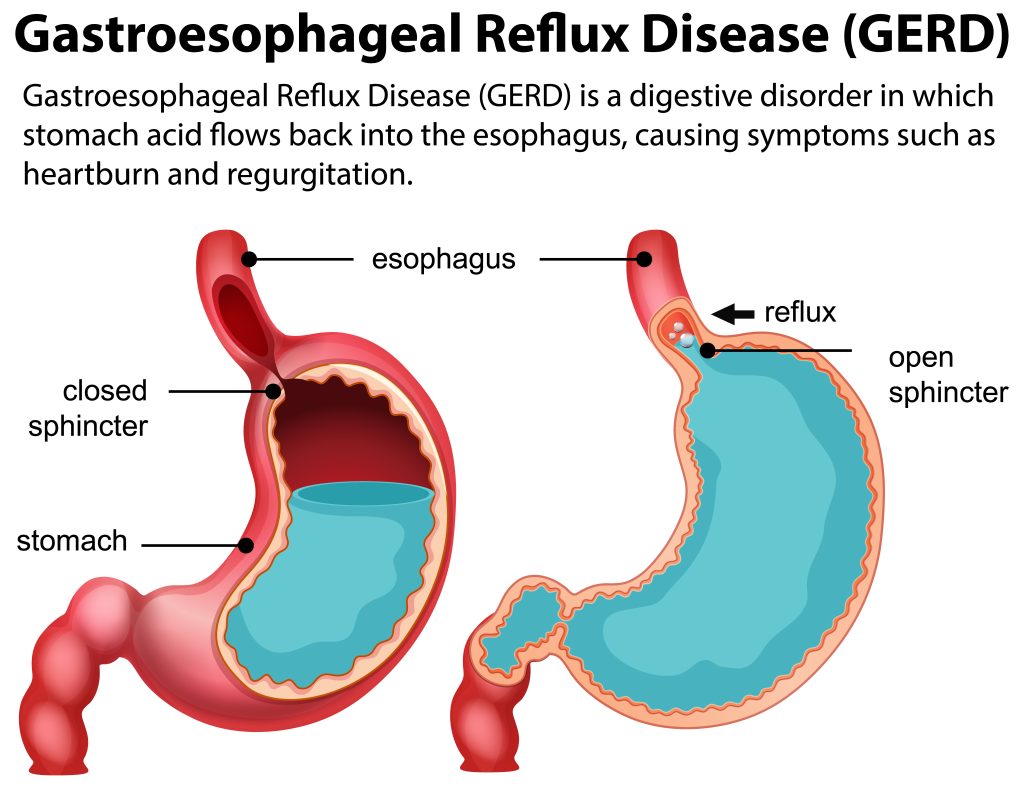
Understanding Acid Reflux
What is acid reflux? Acid reflux occurs when stomach contents flow back into the esophagus. This happens when the lower esophageal sphincter, a ring of muscle that acts as a valve between the esophagus and stomach, doesn’t close properly.
Common symptoms Typical acid reflux symptoms include heartburn, regurgitation, and a sour taste in the mouth. However, some people experience these symptoms infrequently or not at all, making diagnosis challenging.
The Throat-Reflux Connection
How reflux affects the throat When stomach acid reaches the throat, it can irritate the delicate tissues. This irritation leads to various uncomfortable symptoms that might not seem directly related to digestive issues.
Laryngopharyngeal reflux (LPR) LPR, often called “silent reflux,” occurs when stomach acid reaches the throat and voice box. Unlike typical reflux, LPR may not cause heartburn, making it harder to identify.
The Throat-Reflux Connection
- Sore throat – A persistent or recurring sore throat, especially in the morning, can be a sign of acid reflux. The throat irritation often feels different from the soreness caused by a cold or flu.
- Hoarseness – Acid reaching the voice box can irritate the vocal cords, leading to voice changes. If you notice your voice becoming hoarse, especially in the morning, reflux might be the cause.
- Chronic cough – A persistent cough, particularly after eating or when lying down, can be a symptom of acid reflux. This cough often doesn’t respond to typical cough medications.
- Difficulty swallowing – Reflux can cause inflammation in the throat, leading to a feeling of a lump in the throat or difficulty swallowing. This symptom, known as dysphagia, should not be ignored.

Diagnosis
Medical history: Your doctor will ask about your symptoms, their frequency, and any factors that seem to trigger or relieve them. Be prepared to discuss your diet, lifestyle, and any medications you’re taking.
Physical examination: A thorough examination of your throat and voice box helps identify signs of irritation or inflammation caused by reflux.
Diagnostic tests Tests may include endoscopy to visualize the esophagus and throat, pH monitoring to measure acid levels, or esophageal manometry to assess muscle function in the esophagus.
Treatment Options
Simple lifestyle changes can often provide relief:
- Elevate the head of your bed
- Avoid eating close to bedtime
- Identify and avoid trigger foods
- Lose weight if necessary
- Quit smoking
Medications – Over-the-counter antacids can provide short-term relief. For persistent symptoms, your doctor might recommend:
- H2 blockers to reduce acid production
- Proton pump inhibitors (PPIs) for more severe cases
- Surgical interventions – In rare cases where other treatments aren’t effective, surgical options like fundoplication might be considered to strengthen the lower esophageal sphincter.
Prevention Strategies
Preventing acid reflux involves many of the same strategies used in treatment:
- Maintain a healthy weight
- Eat smaller, more frequent meals
- Avoid tight clothing around the waist
- Manage stress through relaxation techniques
- Stay upright for at least three hours after eating
When to See an ENT Specialist
Consult an ENT specialist if you experience:
- Persistent throat discomfort lasting more than two weeks
- Difficulty swallowing or breathing
- Unexplained weight loss
- Ear pain or recurring ear infections
- Voice changes that don’t improve
At Dr. Rao’s ENT Hospitals, our specialists are experienced in diagnosing and treating reflux-related throat issues. Early intervention can prevent complications and improve your quality of life.
Conclusion
The connection between acid reflux and throat discomfort is often overlooked, leading to delayed diagnosis and treatment. By understanding this relationship, you can take steps to manage symptoms and seek appropriate care. If you’re experiencing persistent throat issues, don’t hesitate to reach out to Dr. Rao’s ENT Hospitals. Our team is ready to help you find relief and develop a personalized treatment plan. Remember, addressing reflux not only alleviates throat discomfort but also promotes overall digestive health.