Introduction to Nasolacrimal Duct Obstruction (NLDO)
Endoscopic dacryocystorhinostomy (DCR) stands as a minimally invasive surgical solution for nasolacrimal duct obstruction (NLDO), a condition causing eye discomfort and excessive tearing due to blockage in the tear drainage system. This innovative technique offers numerous advantages over traditional open DCR surgery, including reduced scarring, quicker recovery times, and enhanced cosmetic outcomes. This introduction explores the benefits of endoscopic DCR in detail, underscoring its efficacy in restoring tear drainage and alleviating symptoms associated with NLDO. With the expertise of skilled surgeons like Dr. G V K Chaitanya Rao, individuals can explore endoscopic DCR as a promising option for addressing NLDO and enhancing overall ocular health.
Traditional Treatment Methods for NLDO

Before endoscopic dacryocystorhinostomy (DCR) became popular, traditional methods were employed to address nasolacrimal duct obstruction (NLDO). While these approaches aimed to alleviate symptoms and improve tear drainage, they often had limitations compared to endoscopic DCR. Some traditional treatments for NLDO include:
Nasal Irrigation: This involves rinsing the nasal passages with saline solution to clear debris, mucus, and irritants from the nasal cavity. While nasal irrigation can provide temporary relief by promoting drainage, it may not address underlying obstructions effectively.
Lacrimal Sac Massage: Lacrimal sac massage is a gentle manual technique performed to promote tear drainage by compressing the lacrimal sac located near the inner corner of the eye. While it may help facilitate tear passage through the nasolacrimal duct, its effectiveness can vary depending on the severity of the obstruction.
Topical Medications: Topical antibiotics and corticosteroids may be prescribed to manage symptoms of NLDO, particularly if there is evidence of concurrent infection or inflammation. Antibiotic eye drops or ointments can help prevent or treat secondary bacterial infections, while corticosteroid nasal sprays reduce nasal inflammation and congestion, potentially improving tear drainage.
Probing and Irrigation: Probing and irrigation involve inserting a thin, flexible probe into the nasolacrimal duct through the puncta (small openings in the eyelids) to clear obstructions and restore tear drainage. Saline irrigation may follow the probing to flush out any remaining debris or mucus. This procedure is typically performed under local anesthesia in an outpatient setting and can provide temporary relief in some cases.
External DCR: External DCR is a surgical procedure performed to create a new tear drainage pathway by bypassing the blocked nasolacrimal duct. It involves making an incision on the side of the nose and creating a permanent opening (ostium) between the lacrimal sac and the nasal cavity. Silicone tubes may be placed temporarily to maintain patency of the nasolacrimal system during the healing process. While effective, external DCR is associated with longer recovery times and visible scarring compared to endoscopic DCR.
Conjunctivodacryocystorhinostomy (CDCR): Conjunctivodacryocystorhinostomy is a less common surgical technique used to treat NLDO, particularly in cases where the lacrimal sac is severely scarred or damaged. It involves creating a direct communication between the conjunctival sac and the nasal cavity, bypassing the lacrimal sac entirely. This procedure is usually reserved for select cases and may have a higher risk of complications compared to external DCR.
What is Endoscopic Dacryocystorhinostomy (DCR)?
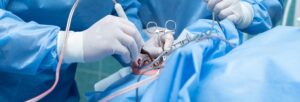
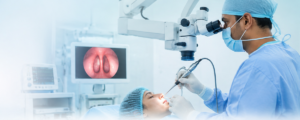
Endoscopic dacryocystorhinostomy (DCR) is a minimally invasive surgical procedure used to treat nasolacrimal duct obstruction (NLDO), a condition characterized by blockage of the tear drainage system. In this procedure, a small endoscope is inserted through the nostril to access the lacrimal sac and nasal cavity without the need for external incisions.
During endoscopic DCR, the surgeon creates a new tear drainage pathway by removing obstructing tissue, such as scar tissue or bone, and establishing a connection between the lacrimal sac and the nasal cavity. This allows tears to bypass the blocked nasolacrimal duct and drain directly into the nasal cavity, relieving symptoms of NLDO such as excessive tearing (epiphora), recurrent eye infections, and discomfort.
Endoscopic DCR offers several advantages over traditional open DCR surgery, including shorter recovery times, reduced risk of scarring, and improved cosmetic outcomes since no external incisions are made. Additionally, endoscopic DCR allows for better visualization of the surgical site, enabling precise tissue removal and minimizing damage to surrounding structures.
Overall, endoscopic DCR is a safe and effective procedure for the treatment of NLDO, offering patients a minimally invasive option with high success rates and low complication rates. It is often performed on an outpatient basis under local or general anesthesia, with most patients experiencing significant improvement in symptoms and quality of life following surgery.
Advantages of Endoscopic DCR Over Traditional Approaches
Endoscopic dacryocystorhinostomy (DCR) offers several advantages over traditional approaches for treating nasolacrimal duct obstruction (NLDO). These advantages contribute to its growing popularity and effectiveness in clinical practice:
Minimal Invasiveness: Endoscopic DCR is a minimally invasive procedure that does not require external incisions. Instead, it is performed entirely through the nostril using small instruments and an endoscope. This minimizes trauma to surrounding tissues, reduces postoperative discomfort, and promotes faster healing.
Reduced Risk of Complications: Compared to traditional open DCR surgery, endoscopic DCR carries a lower risk of complications such as scarring, infection, and bleeding. The smaller incisions and precise visualization provided by the endoscope contribute to a safer surgical approach with fewer adverse events.
Improved Visualization: The use of an endoscope provides high-definition, magnified views of the surgical site, allowing for better visualization of anatomical structures and pathology. This enhanced visibility enables surgeons to perform precise tissue dissection, ensuring optimal outcomes and reducing the likelihood of intraoperative complications.
Customization to Patient Anatomy: Endoscopic DCR allows for greater customization to each patient’s unique anatomical features and underlying pathology. Surgeons can tailor the procedure to address specific issues such as nasal septal deviations, sinus anatomy variations, or scar tissue distribution, optimizing surgical outcomes and patient satisfaction.
Faster Recovery Time: Patients undergoing endoscopic DCR typically experience shorter recovery times compared to traditional open DCR surgery. The minimally invasive nature of the procedure and reduced tissue trauma result in less postoperative pain, swelling, and downtime, allowing patients to resume normal activities sooner.
Higher Success Rates: Endoscopic DCR has been associated with high success rates in relieving symptoms of NLDO and restoring normal tear drainage. The precise surgical technique, improved visualization, and customization to patient anatomy contribute to favorable outcomes, with many patients experiencing long-lasting relief from symptoms.
Patient Selection Criteria for Endoscopic DCR
Patient selection for endoscopic dacryocystorhinostomy (DCR) involves several essential criteria:
- Diagnosis of NLDO: Confirmation of nasolacrimal duct obstruction (NLDO) through symptoms such as excessive tearing (epiphora), recurrent eye infections (dacryocystitis), or tear duct blockage indicates potential candidacy for endoscopic DCR.
- Failed Conservative Treatment: Patients who have not responded to non-surgical treatments for NLDO, including nasal irrigation, lacrimal sac massage, or topical medications, may be considered for endoscopic DCR to achieve lasting symptom relief.
- Anatomical Considerations: Evaluation of the nasal and sinus anatomy is crucial to determine suitability for endoscopic DCR. Any anatomical abnormalities, such as nasal septum deviation, nasal polyps, or prior sinonasal surgeries, should be carefully assessed to ensure optimal surgical access and outcomes.
- General Health: Assessment of the patient’s overall health status is essential to gauge their ability to tolerate anesthesia and surgery. Patients should be in good general health, with any underlying medical conditions appropriately managed before undergoing endoscopic DCR.
- Expectations and Preferences: Patient counseling plays a vital role in the decision-making process for endoscopic DCR. Patients should have realistic expectations regarding the procedure’s benefits, risks, and potential outcomes. Understanding patient preferences and addressing any concerns ensures informed consent and improves overall satisfaction with the treatment process.Surgeon Expertise: Referral to an experienced ophthalmologist or otorhinolaryngologist (ENT surgeon) skilled in endoscopic DCR is paramount for achieving successful outcomes.
- Surgeon expertise, particularly in managing complex cases or addressing intraoperative challenges, significantly influences procedural success and patient satisfaction.
Conclusion
In conclusion, endoscopic dacryocystorhinostomy (DCR) emerges as a highly advantageous surgical approach for managing nasolacrimal duct obstruction (NLDO). The benefits of this minimally invasive technique, including reduced scarring, faster recovery times, and improved cosmetic outcomes, underscore its significance in providing effective treatment for NLDO patients. With the expertise and skill of specialists like Dr. G V K Chaitanya Rao, individuals can confidently consider endoscopic DCR as a preferred option for addressing NLDO, leading to enhanced ocular health and improved quality of life.